
Brisbane web design studio - WordPress websites that convert.
Brisbane web design (also called Brisbane website design) for South East Queensland businesses who need a site that ranks, converts and doesn’t fall over the first time traffic shows up. Our studio is in Ipswich, 40 minutes west of the Brisbane CBD - close enough to meet face-to-face, far enough to keep our pricing realistic for Brisbane small businesses. We work across Brisbane CBD, the inner suburbs, Greater Brisbane, the Gold Coast, the Sunshine Coast and remote Australia.
Trade business? See our tradie-specific approach: web design for tradies.
Recent Brisbane web design work
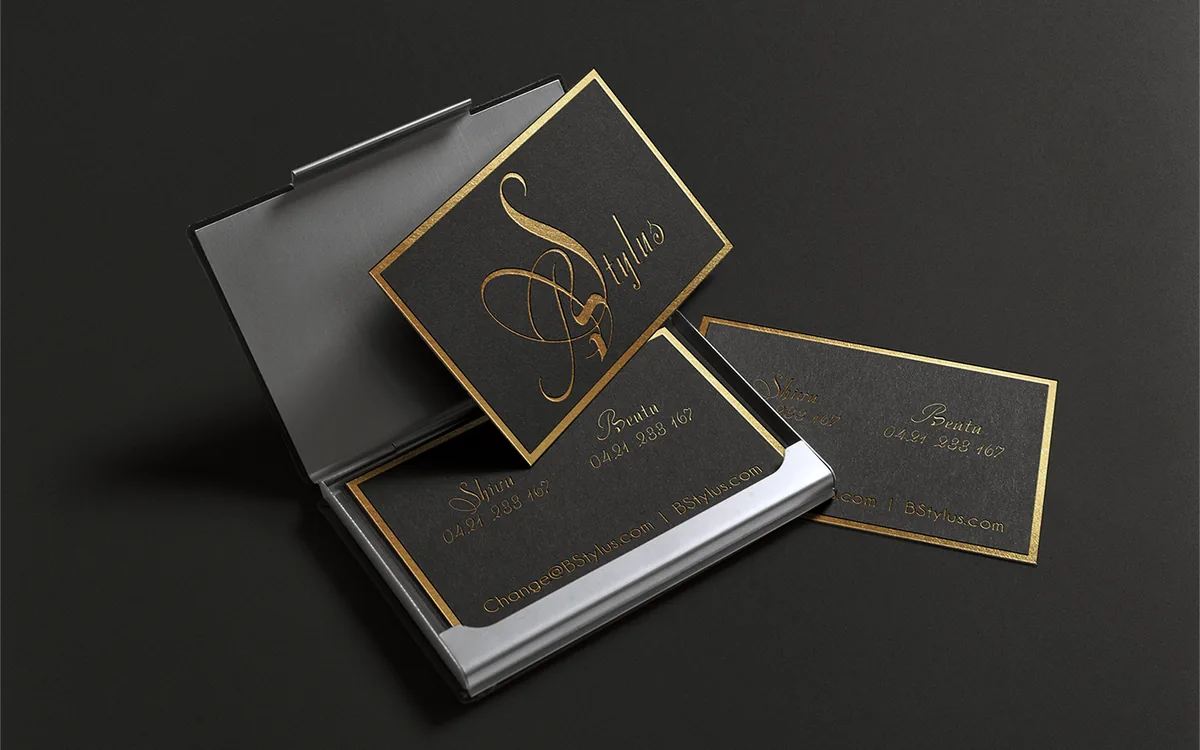
BStylus - boutique styling brand
A premium identity bridging home staging, property styling and personal styling under one brand
Result · Logo, business card, website and visual system for a Brisbane styling business
Read the case study →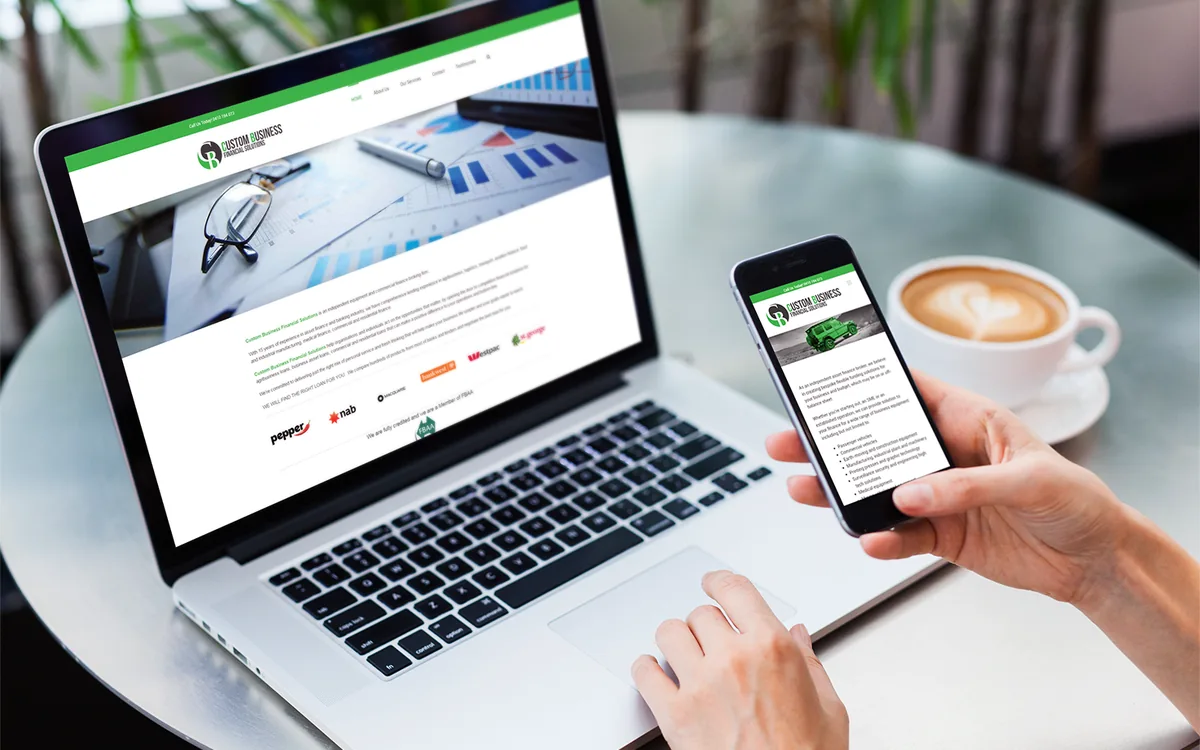
Custom Business Financial Solutions
A finance brokerage identity that looks credible without falling into corporate-blue clichés
Result · Logo, monogram, business cards and responsive website across desktop and mobile
Read the case study →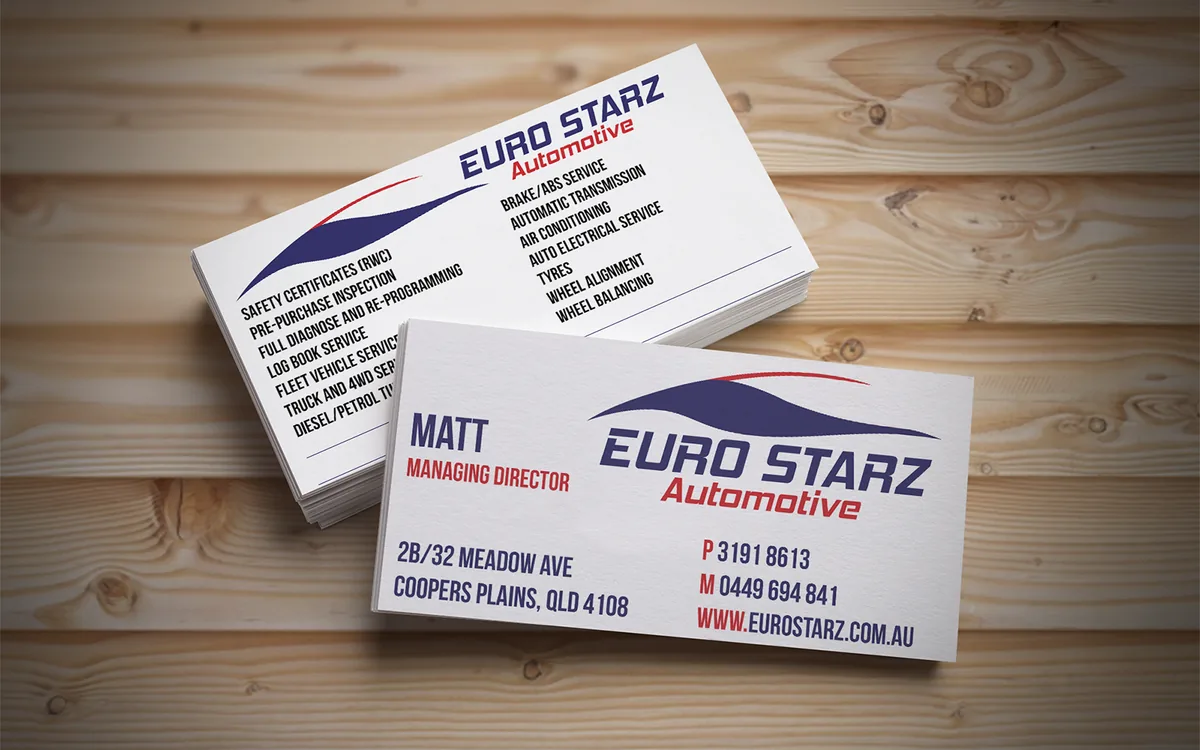
Euro Starz Automotive
European-vehicle mechanic brand that needs to feel specialist and approachable at the same time
Result · Logo, business cards and a service-led website for a Coopers Plains workshop
Read the case study →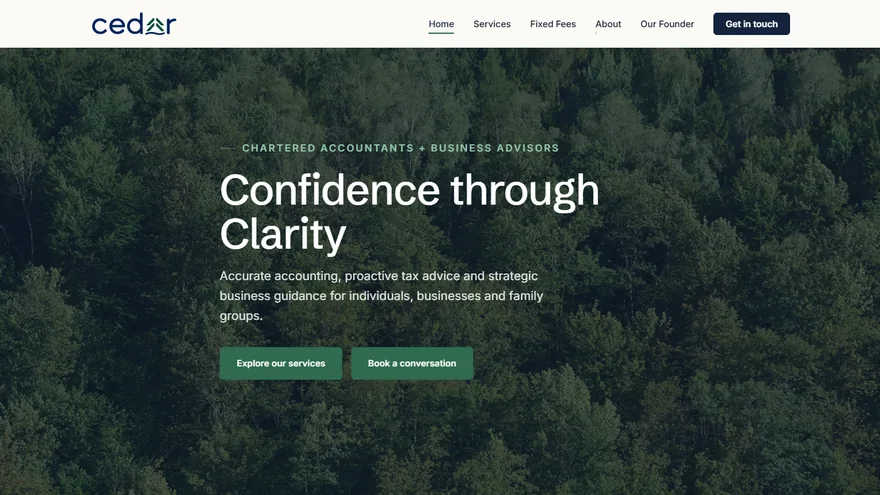
Accounting firm website redesign
A fragmented DIY Wix build that did not reflect the firm's professional standing
Result · Rebuilt into a cohesive, responsive website · mobile Lighthouse performance 25 → 95
Read the case study →Why businesses choose a Brisbane WordPress studio
Local context
We know the Brisbane market - trades, professional services, retail, hospitality and B2B suppliers servicing South East Queensland.
Same timezone, same week
No offshore handoffs. You get actual Queensland-based designers and developers replying inside AEST business hours - with the option to meet in Brisbane when the project benefits from it.
Local SEO baked in
Google Business Profile, suburb-level targeting and local schema as part of the build - see local SEO for Australian businesses.
Services for Brisbane businesses
WordPress website design Brisbane
Custom WordPress builds - themes, ACF editors, WooCommerce when needed.
View WordPress design Brisbane →Website redesign
Rescue an underperforming Brisbane site without losing rankings.
Plan a website redesign →WordPress speed optimisation
Faster Core Web Vitals, better Brisbane rankings.
See WordPress speed optimisation →Local SEO Brisbane
Google Business Profile, suburb pages, citations and reviews.
View local SEO Brisbane →Graphic design Brisbane
Brochures, signage and marketing collateral to match the new site.
View graphic design Brisbane →Brand identity Brisbane
If the brand needs work first - logo, system, colour, type, rollout.
View brand identity Brisbane →What the build itself does for your rankings
Design and SEO get sold as two jobs. Google treats them as one. Most of what it measures is decided while the site is being built, not bolted on afterwards.
Four of those decisions do the heavy lifting:
- Core Web Vitals. Loading, responsiveness and visual stability are a confirmed ranking signal, and all three are set by how the site is built: image weight, script load, and whether the layout shifts while it renders. Retrofitting this is always dearer than building it right.
- Mobile-first indexing. Google ranks the mobile version, not the desktop one. If content is hidden, cramped or slower on a phone, that is the version being judged.
- Structure Google can follow. A logical URL and navigation structure, one clear H1 per page, headings that describe their section, and internal links that connect related pages. This is also what decides whether a page is reachable at all.
- Structured data. Organization, LocalBusiness, Service and FAQ markup describing what is genuinely on the page, so search engines and AI assistants can read the business rather than infer it.
None of this is exotic, and none of it substitutes for being worth finding. It is the difference between a site that can rank and one that cannot, which is why we treat it as part of the build rather than an upsell afterwards. If the site already exists, that work is a technical SEO audit rather than a rebuild.
Service areas for Brisbane businesses
Brisbane CBD & inner
Brisbane CBD, Fortitude Valley, South Brisbane, West End, New Farm, Newstead, Teneriffe, Spring Hill, Milton and the inner-city corridors.
Greater Brisbane
North to Chermside and Aspley, west to Indooroopilly and Kenmore, south to Mount Gravatt and Sunnybank, east to Carindale and Wynnum - and the satellite business hubs in between.
South East Queensland
Logan, Ipswich, Redland, Moreton Bay, the Gold Coast and the Sunshine Coast - most engagements run remotely with optional in-person kickoff in Brisbane.
Brisbane businesses we typically work with
Trades & services
Builders, electricians, plumbers and trade contractors needing a WordPress site that pulls real Brisbane suburb leads.
Professional services
Brisbane accountants and finance firms, lawyers, consultants and advisors needing a website that reflects the real seniority of the practice - see professional services web design.
Retail & hospitality
Brisbane retailers, restaurants, cafés and venues needing a website that connects to bookings, ordering and Google Business Profile.
B2B & trade suppliers
South East Queensland suppliers and wholesalers needing a proper catalogue, account login or quote workflow on WordPress.
Creative & cultural
Brisbane studios, agencies, festivals and cultural organisations needing a site that's design-led, not template-led.
Health & allied
Brisbane clinics, allied health and wellness practices needing accessible, conversion-focused WordPress sites.
Locally relevant Brisbane results
1,100% organic growth
How structured technical SEO work grew an Australian business from zero to ~2,700 monthly clicks.
Read the SEO improvements case study → Brisbane · PublicBrisbane Sign
Design contribution to a prominent Brisbane public signage project - local design at city scale.
Read the Brisbane Sign design case study → GuideLocal SEO foundations
The profile, on-page, citation and review work behind Brisbane map-pack visibility.
Read the guide →Who Brisbane web design with us suits
Best fit for
- Brisbane and SEQ small businesses that want to look established and rank locally
- Trades, professional services, retail and B2B suppliers needing real enquiries
- Owners who want WordPress, SEO and design considered together
- People who value dealing directly with the person building the site
Not the best fit for
- The cheapest possible template website
- Enterprise procurement needing a large multi-department agency
- Projects treating design, SEO and content as unrelated tasks
Brisbane web design - common questions
Yes. "Web design" and "website design" are used interchangeably - both refer to the visual, structural and conversion design of a website. We use both terms because Brisbane business owners search using both.
Most Brisbane SME WordPress websites land between $4,000 and $25,000 depending on page count, design complexity, content readiness, integrations and SEO scope. See our pricing guide and WordPress cost breakdown for ranges.
Yes - WordPress is our default platform for Brisbane projects. We also build custom PHP/HTML sites when WordPress is not the right fit. See WordPress website design Brisbane.
Yes. Many Brisbane projects are website redesigns rather than rebuilds. We preserve what works (rankings, content, structure) and fix what does not (conversion, speed, mobile). See website redesign.
Yes. Every Brisbane build includes local SEO foundations, and we offer ongoing local SEO Brisbane and technical SEO as separate engagements where useful.
Yes. Our studio is in Ipswich, 40 minutes from the Brisbane CBD, and we work with businesses right across South East Queensland and the rest of Australia. For Ipswich-focused work see Ipswich web design; for national projects see WordPress website design Australia.
Yes - our studio is in Ipswich, about 40 minutes from the Brisbane CBD, so Brisbane projects often start with a face-to-face kickoff in the CBD, Fortitude Valley, West End, South Bank or wherever suits you. After kickoff we run engagements remotely with regular check-ins.